Bottled Water vs. a Home Water Cooler: Which Is Actually Cheaper?

If you're comparing water cooler vs. bottled water cost for your home or office, the sticker price on each option only tells part of the story. Bottled water delivery looks simple — pay per bottle, water shows up — but the ongoing costs add up quietly. A water cooler, especially a bottleless model, has a different cost structure entirely: more upfront, often far less over time.
Here's a real breakdown of what each option actually costs, so you can compare them the way your bank account will.
Key Takeaways
-
Bottled water delivery typically runs $40–$70+ per month for an average household, once you factor in per-bottle costs, delivery fees, and cooler rental.
-
A bottleless water cooler has a higher upfront cost but no ongoing bottle purchases, often paying for itself within 6–18 months depending on usage.
-
Bottleless coolers connect directly to your existing water line and filter it on demand, eliminating the recurring cost and hassle of bottle delivery entirely.
-
Beyond cost, bottleless systems eliminate the lifting, storage, and plastic waste that come with bottled delivery.
-
The better financial choice depends on your household's water consumption and how long you plan to stay in the space.
The Real Cost of Bottled Water Delivery
Bottled water delivery pricing usually includes a few stacked costs: a per-bottle charge (commonly $7–$10 for a 5-gallon jug), a monthly cooler rental fee if you don't own the dispenser ($10–$25/month), and in many cases a delivery or fuel surcharge on top of that. A household going through 3–4 bottles a month lands somewhere around $40–$70 per month once all the fees are included — and that's before accounting for occasional price increases or minimum order requirements some delivery services impose.
Offices and higher-consumption households can easily exceed that range, since cost scales directly with how many bottles you go through. There's also an opportunity cost that's harder to put a number on: coordinating deliveries, storing extra bottles, and the inevitable awkward moment when you run out between scheduled drop-offs.
The Real Cost of a Bottleless Water Cooler
A bottleless water cooler connects directly to an existing cold water line and filters water on demand, so there's no bottle to buy, store, or wait on. The tradeoff is the cost structure: you're paying more upfront for the unit itself, plus periodic filter replacements, instead of a recurring per-bottle charge.
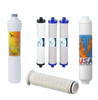
Entry-level bottleless coolers generally start in the $500–$700 range for the unit alone, with multi-stage filtration or reverse osmosis configurations running higher — often $850–$1,100+ for a more thorough filtration setup. Replacement filters typically cost $60–$120 depending on the system and are usually swapped once or twice a year, a far smaller ongoing cost than a bottled water subscription.
Because there's no delivery schedule or bottle inventory to manage, the ongoing cost of a bottleless cooler is mostly just electricity (negligible) and filter replacement — a small, predictable expense compared to the variable, recurring cost of bottled delivery.
Water Cooler vs. Bottled Water Cost: Side-by-Side
Bottled water delivery Upfront cost: Low to none (cooler often provided or rented) Ongoing cost: $40–$70+ per month, recurring indefinitely Maintenance: Scheduling deliveries, lifting and storing bottles Break-even: Never — costs continue for as long as you use the service
Bottleless water cooler Upfront cost: $500–$1,100+ depending on filtration level Ongoing cost: $60–$120 per filter change, roughly 1–2 times a year Maintenance: Occasional filter swap, no lifting or storage Break-even: Typically 6–18 months, depending on household consumption, after which the cooler costs far less than continuing bottled delivery
The math tends to favor a bottleless cooler for any household or office planning to stay in place for more than a year, since the upfront cost is a one-time expense while bottled delivery costs keep accumulating month after month with no end point.
Other Factors Beyond Cost
Cost isn't the only consideration. Bottled water delivery means recurring plastic waste — millions of 5-gallon jugs and single-use bottles end up in the waste stream every year, and plastic remains one of the hardest materials to recycle at scale, with a national recycling rate well under other common materials. A bottleless cooler eliminates that waste stream from your household entirely, since it filters your existing water supply rather than relying on a disposable or returnable container.
There's also a convenience factor that doesn't show up on a receipt: no lifting heavy jugs, no running out of water on a weekend, and no storage space dedicated to backup bottles. For offices in particular, this also means no more awkward moments trying to flip a bottle onto the cooler without spilling it.
Which Option Actually Saves You Money?
If you're in a short-term rental or expect to move within a year, bottled delivery's low upfront cost may make more sense despite the higher long-term price. But for most households and offices planning to stay put, a bottleless water cooler is the more cost-effective choice over any reasonable time horizon — the higher upfront investment is typically recovered within a year or so, after which you're only paying for occasional filter changes instead of an open-ended monthly bill.
Ready to see the numbers for your own household? Browse Isopure Water's bottleless water coolers to compare models, filtration levels, and price points, and get a sense of how quickly your specific usage would break even against what you're currently paying for bottled delivery.
FAQ: Water Coolers vs. Bottled Water
How long does it take for a bottleless water cooler to pay for itself? Most households see a break-even point between 6 and 18 months, depending on how much bottled water they were previously buying and which cooler model they choose.
Is a bottleless water cooler better quality than bottled water? It depends on the filtration stage. A multi-stage or reverse osmosis bottleless cooler can match or exceed typical bottled water quality, since it filters contaminants directly from your water line rather than relying on a sealed container's original fill quality.
Do bottleless water coolers need much maintenance? Filter changes are the main maintenance requirement, typically once or twice a year depending on the model and your household's usage.
Can a bottleless cooler work without a direct water line nearby? Most residential installations connect to a nearby cold water line (often under a sink or behind the unit), so placement is usually limited by plumbing access rather than being fully portable like a bottled cooler.
Is bottled water delivery ever the cheaper option? For very low usage or short-term situations — a few months in a temporary space, for example — bottled delivery's lack of upfront cost can make it cheaper in the short run, even though it costs more over a longer period.