Best Water Filter for Chlorine Taste

If your tap water tastes or smells like a swimming pool, chlorine is almost certainly the culprit. Municipal water utilities add chlorine (or chloramine) to disinfect water and keep it safe from bacteria and pathogens as it travels through miles of pipes to your home. It's essential for public health — but it also leaves behind a taste and odor that many people find unpleasant, especially in coffee, ice, and drinking water straight from the tap.
The good news is that chlorine taste and odor are among the easiest water quality issues to solve. This guide compares the most effective filter types so you can choose the best water filter for chlorine taste based on your budget, household size, and how much of your water supply you want to treat.
Why Does My Water Taste Like Chlorine?
Water utilities are required to maintain a chlorine residual throughout the distribution system to prevent bacterial regrowth between the treatment plant and your tap. Depending on your location, distance from the treatment plant, and time of year, chlorine levels — and how strongly you notice them — can vary. Some households notice it constantly; others only notice a stronger taste after utilities increase dosing during warmer months or after water main work.
Either way, the fix is filtration, not avoidance. The right filter removes chlorine (and often chloramine) while leaving beneficial minerals intact.
Comparing Filter Types for Chlorine Taste and Odor
Carbon Filters (pitcher, faucet-mount, under-sink, in-line)
How it handles chlorine: Activated carbon adsorbs chlorine, taste, and odor compounds very effectively
Best for: Renters, apartments, budget-conscious households, quick fixes
Typical cost range: $20–$150
Maintenance: Cartridge swap every 2–6 months
Reverse Osmosis (RO) Systems
How it handles chlorine: Combines carbon pre-filtration with a semi-permeable membrane; removes chlorine plus a broad range of dissolved contaminants
Best for: Households wanting the most thorough drinking water treatment
Typical cost range: $250–$500
Maintenance: Membrane + filters every 6–24 months
Refrigerator Filters
How it handles chlorine: Small carbon filters built into fridge water/ice lines; reduce chlorine taste in drinking and ice water
Best for: Households that mainly want better-tasting drinking water and ice
Typical cost range: $30–$60 per filter
Maintenance: Replace every 6 months
Whole House Filtration Systems
How it handles chlorine: Installed at the main water line; treats chlorine (and sediment, iron, or other issues) for every tap, shower, and appliance
Best for: Larger households, chlorine-sensitive skin/hair, homes wanting whole-property coverage
Typical cost range: $400–$1,500+
Maintenance: Filter/media change every 6–12 months depending on system
Carbon Filters: The Simple, Affordable Fix
Activated carbon is the gold standard for chlorine reduction because chlorine molecules bind readily to carbon's porous surface. This is why carbon is the core technology behind pitcher filters, faucet-mount units, and dedicated in-line or under-sink carbon filters. For most households whose only real complaint is chlorine taste and smell at the kitchen tap, a quality carbon filter solves the problem quickly and affordably.
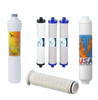
Not all carbon filters are equal — micron rating, carbon type (coconut shell vs. catalytic), and flow rate all affect performance and lifespan. Browse Isopure Water's replacement filters to find genuine, compatible cartridges for your existing system or a new setup.
Reverse Osmosis: The Most Thorough Option
RO systems pair a carbon pre-filter (which handles the chlorine) with a reverse osmosis membrane that removes a much wider range of dissolved solids, including lead, nitrates, and other contaminants municipal treatment doesn't fully eliminate. If chlorine taste is one of several concerns — hard water minerals, lead pipes, or general peace of mind about water quality — an RO system delivers the most comprehensive treatment available at the point of use.
The tradeoff is a higher upfront cost and slightly more involved installation, though modern under-sink RO systems are compact and require minimal plumbing changes. Explore reverse osmosis systems to compare capacity, stage count, and features.
Refrigerator Filters: Convenient but Limited
If your main concern is better-tasting ice and water from the fridge dispenser, a compatible refrigerator filter handles chlorine taste without any additional installation. These filters are smaller and have less carbon volume than dedicated under-sink units, so they typically need more frequent replacement and don't address water at other taps.
Whole House Systems: Chlorine-Free Water at Every Tap
Chlorine doesn't just affect drinking water — it can also dry out skin and hair during showers and leave a faint smell throughout the house. A whole house filtration system installed where water enters your home removes chlorine (along with sediment or other issues) before it reaches any fixture, giving you consistent water quality for drinking, cooking, bathing, and laundry alike. This is the best option for larger households or anyone with chlorine sensitivity affecting skin or hair.
How to Choose the Right Filter for You
-
Just want better-tasting drinking water? Start with a carbon pitcher, faucet filter, or under-sink carbon system.
-
Want the most complete contaminant removal at the kitchen sink? Choose a reverse osmosis system.
-
Mainly care about ice and fridge water? A compatible refrigerator filter is the simplest fix.
-
Want chlorine-free water throughout the entire house? A whole house filtration system is the only option that treats every tap and shower.
-
Not sure which system you already have, or need a replacement cartridge? Isopure Water's technical team can help match your existing housing to a compatible filter — no need to guess a part number.
Buying Guide: What to Look for in a Chlorine Filter
-
NSF/ANSI 42 certification — confirms a filter is independently tested for chlorine, taste, and odor reduction.
-
Micron rating and flow rate — finer micron ratings and adequate flow rate keep water pressure strong while still filtering effectively.
-
Compatible housing/cartridge size — verify compatibility with your existing system before purchasing replacement cartridges.
-
Filter lifespan — check gallon capacity or month-based replacement intervals so you can budget for maintenance.
-
Coverage — decide whether you need point-of-use (one tap) or point-of-entry (whole house) treatment based on how widespread the chlorine issue is for your household.
Ready to stop tasting the pool water? Shop replacement filters for an affordable, quick upgrade, or compare reverse osmosis systems for whole-tap peace of mind. Isopure Water's team can help you match the right filter to your specific setup and budget.
Learn more about how municipal water utilities use chlorine and chloramine to disinfect public drinking water from the CDC's overview of water disinfection.