Best Reverse Osmosis System for Home Use: A Complete Buyer's Guide

Reverse osmosis is widely considered one of the most effective methods for purifying drinking water at home — capable of removing up to 99% of contaminants including lead, chlorine, fluoride, nitrates, arsenic, and dissolved solids. But with dozens of systems available at different price points and configurations, knowing which one is right for your home requires understanding a few key factors before you buy.
This guide breaks down everything you need to know.
How Reverse Osmosis Works
A reverse osmosis system forces water through a semi-permeable membrane under pressure, separating clean water from dissolved contaminants, which are flushed away as wastewater. Most home RO systems combine the membrane with pre-filters and post-filters to address a broader range of contaminants at multiple stages — delivering cleaner, better-tasting water directly at the tap.
What to Look for When Choosing an RO System
Number of Filtration Stages
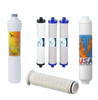
RO systems are sold in 3-stage, 5-stage, and 6+ stage configurations. More stages means broader contaminant coverage:
- 3-stage: Sediment pre-filter + RO membrane + carbon post-filter. Effective for basic filtration needs.
- 5-stage: Adds additional pre-filters for chlorine and fine sediment, extending the life of the membrane.
- 6+ stage: May include a remineralization stage that adds beneficial minerals back into the filtered water after the RO process.
TDS Reduction Rate
TDS — Total Dissolved Solids — measures the concentration of dissolved substances in your water. A quality RO system should reduce TDS by 90 to 99%. Most manufacturers publish TDS rejection rates; look for systems rated at 90% or above for reliable performance.
Tank Size and GPD (Gallons Per Day) Rating
Standard home RO systems produce 50 to 100 gallons per day (GPD), stored in a pressurized tank. For a household of one to four people, a 50 GPD system with a 2 to 4 gallon tank is typically sufficient for drinking and cooking needs. Larger households or higher-demand situations should look at 75 to 100 GPD systems with proportionally larger storage tanks.
Under-Sink vs. Countertop
Under-sink RO systems are installed beneath the kitchen sink with a dedicated faucet. They are out of sight, higher capacity, and the most practical choice for households looking for a permanent, high-output solution.
Countertop RO systems require no permanent installation and connect directly to your faucet. They are portable, ideal for renters, and easy to set up — but typically offer smaller capacity than under-sink models.
Filter Replacement and Maintenance
All RO systems require periodic maintenance. Pre-filters and post-filters should be replaced every 6 to 12 months. The RO membrane itself typically lasts 2 to 3 years with proper pre-filtration in place. When evaluating systems, factor in the ongoing cost and availability of replacement filters — not just the upfront price.
Best For Each Situation
|
Best For |
What to Look For |
|
Most households (1-4 people) |
5-stage under-sink system, 50 GPD, 3.2-gallon tank |
|
Larger households or high demand |
5- or 6-stage system, 75-100 GPD, 4+ gallon tank |
|
Renters or small spaces |
Countertop RO system — no installation required |
|
Well water households |
System with dedicated iron or sediment pre-filter stage |
Does RO Remove Healthy Minerals?
Yes — reverse osmosis membranes remove most dissolved minerals, including calcium and magnesium, along with contaminants. For most people this is not a health concern, as the majority of dietary minerals come from food rather than water. However, if mineral content matters to you, look for a system that includes a remineralization stage, which adds beneficial minerals back into the water after filtration.
Frequently Asked Questions
How long does an RO system last? With regular filter maintenance, a quality reverse osmosis system can last 10 to 15 years. The membrane and filters require periodic replacement, but the system itself is built for long-term use.
Is RO water safe to drink every day? Yes. Reverse osmosis water is safe for daily consumption for most people. It is free of the contaminants — chlorine, lead, nitrates, and dissolved solids — that commonly affect taste and safety in unfiltered tap water.
How much water does an RO system waste? Traditional RO systems produce some wastewater during the filtration process — typically 3 to 4 gallons of wastewater per gallon of filtered water. High-efficiency systems have improved this ratio significantly. Check the waste-to-pure ratio when comparing systems if water efficiency is a priority.