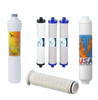
Reverse Osmosis Systems

PureT RO550-905EZ 5-Stage Reverse Osmosis System 50 GPD


Purotwist (PT3000T50) 3 Stage RO System


RO International (STG-1S) Full Skid 1,800-2000 GPD Reverse Osmosis System


Watts (R14-02-1WM) R14 Series Reverse Osmosis 3600 GPD System

Isopure Water · Reverse Osmosis Systems
The Gold Standard in
Drinking Water Purification
The same membrane technology used by bottled water brands — built into a compact under-sink system for your home or business. Up to 99% removal of dissolved solids, lead, fluoride, nitrates, chlorine, and bacteria. Right from your tap.
Staff Pick · Most Popular
Our Top Recommendation

Isopure Water ISO-RO5 · 5-Stage RO System
50 GPD · Under-Sink · City & Well Water · Faucet & Tank Included
The Science
How Reverse Osmosis Works — 4 Stages
Sediment & Carbon
Removes particles, chlorine, chloramines, and VOCs before the membrane — protecting it from fouling and extending its service life.
RO Membrane
The TFC membrane forces pressurized water through pores so fine they block dissolved solids at the molecular level — up to 99% rejection.
Pressurized Tank
Purified water is stored in a sealed, food-safe pressurized tank (typically 3–4 gallons) for immediate on-demand delivery at the faucet.
Inline GAC Polish
A final carbon stage polishes out any residual taste or odor from the storage tank — ensuring the cleanest water at every pour.
How osmosis becomes reverse osmosis: In natural osmosis, water flows from low to high concentration through a membrane. RO applies external pressure to reverse that flow — pushing water from the contaminant side through the membrane to the clean side, leaving dissolved solids behind as reject water flushed to drain.
Contaminant Removal
What Reverse Osmosis Removes
| Contaminant | Typical Removal | Why It Matters |
|---|---|---|
| Total Dissolved Solids (TDS) | Minerals, salts, and dissolved chemicals that affect taste and water quality | |
| Lead | Neurotoxin from aging pipes and infrastructure; no safe level for children | |
| Fluoride | Added to most municipal water; households can manage their own intake | |
| Nitrates & Nitrites | Common in agricultural areas; dangerous for infants and during pregnancy | |
| Chlorine & Chloramines | Disinfection byproducts causing taste, odor, and long-term health concerns | |
| Heavy Metals (Cu, Ba, Cr, Cd, Se) | Industrial and agricultural runoff with cumulative health impacts | |
| Arsenic | Naturally occurring in some well water; a known carcinogen at elevated levels | |
| Bacteria & E. coli | The membrane physically blocks microorganisms from passing through | |
| VOCs & Pesticides | Removed by carbon pre-filter stages; RO membrane provides an additional barrier |
System Types
Choosing the Right RO System
Under-Sink (Point of Use)
Installed beneath your kitchen sink with a dedicated faucet. Compact, cost-effective, and ideal for drinking and cooking water. Most residential systems are 4–5 stages at 50–100 GPD. The most popular choice for homes.
With Booster Pump
RO membranes need at least 40 psi. If your home water pressure runs below 50 psi, a built-in booster pump ensures optimal membrane performance and faster tank fill times. Especially recommended for well water systems.
Quick-Change Filter Systems
Systems like the Omnipure PuROTwist use twist-lock filter cartridges that swap in seconds with no tools and no water spillage — the easiest possible maintenance experience for busy households.
Commercial & High-Capacity
Higher-capacity systems producing 75–500+ GPD for restaurants, offices, labs, and light manufacturing. The Pentek RO-2550 is a solid commercial entry point for high-demand applications.
Buyer's Guide
How to Choose the Right RO System
Test Your Water First
A basic TDS meter gives you a starting point — anything above 200–300 ppm benefits significantly from RO. For well water, test for iron, nitrates, hardness, and bacteria to ensure your system is properly configured with the right pre-treatment. Your local utility's annual water quality report is a good resource for city water.
Check Your Water Pressure
RO membranes need a minimum of 40 psi — optimal performance is at 50–80 psi. If your home pressure consistently runs below 50 psi, choose a system with a built-in booster pump. Low pressure is the most common reason for slow tank fill times and underperforming membranes.
Match Capacity to Your Household
A 50 GPD system comfortably handles drinking and cooking for a family of 4. If you're also connecting to a refrigerator ice maker or have a larger household, a 75–100 GPD system ensures the tank keeps up with demand through the day.
Count the Stages — and Know What Each Does
A 4-stage system (sediment, carbon, RO membrane, post-carbon) is solid for city water. A 5-stage system adds a second pre-carbon stage, which significantly extends membrane life — the preferred choice for chloraminated municipal water supplies, which is most US cities.
Consider UV if You Have a Private Well
RO membranes physically block bacteria and most pathogens. For well water with a history of coliform issues, adding a UV stage after the membrane provides a final disinfection step against any microorganisms that may bypass the system during pressure fluctuations.
Not sure which system fits your water? Call us at (877) 541-6603 with your water source (city or well), current TDS reading if you have it, and household size. We can help identify the right system and any pre-treatment needed in a few minutes.
Maintenance Schedule
Keeping Your RO System Performing
Sediment Pre-Filter
Replace more frequently in high-sediment areas to protect the carbon and membrane.
Carbon Pre-Filter(s)
Critical for membrane longevity. Chlorine breakthrough dramatically shortens membrane life.
RO Membrane
Monitor with a TDS meter. Replace when TDS rejection drops below 85% of feed water.
Post-Carbon Polish
Replace annually regardless of usage to maintain fresh taste at the faucet.
Storage Tank
Check bladder pressure annually (6–8 psi when empty). Replace if it fails to hold pressure.
Track membrane health with a TDS meter: Test your source water TDS, then test your RO output. A healthy membrane shows 90–99% TDS reduction. If rejection drops below 85%, it's time for a new membrane. A $15 TDS pen is the most useful tool an RO owner can have.
Bottled Water Quality
The same technology used by major water brands — produced on demand at your tap for a fraction of the cost.
Safest for Infants
Free of lead, nitrates, fluoride, and bacteria — the contaminants most critical to avoid when preparing baby formula.
Better Coffee & Cooking
Low-TDS RO water lets the full flavor of specialty coffee, tea, and food come through without mineral interference.
Eliminates Bottled Water Costs
Most families spend $600–$1,200/year on bottled water. A properly maintained RO system pays for itself within the first year.