Why Does My Water Smell Like Rotten Eggs?

If you’re asking yourself why does my water smell like rotten eggs, you’re definitely not alone. That unpleasant odor is one of the most common complaints homeowners have, especially those using well water. The good news is that it’s usually fixable once you understand what’s causing it.
What Causes That Rotten Egg Smell?
That sulfur smell in water is typically caused by hydrogen sulfide gas. This gas gives off the distinct rotten egg odor and can come from a few different sources.
Here’s a quick breakdown:
|
Cause |
What It Means |
Where It Happens |
|
Hydrogen sulfide gas |
Naturally occurring gas in groundwater |
Common in well water |
|
Sulfur bacteria |
Bacteria that produce hydrogen sulfide |
Pipes, water heaters, wells |
|
Magnesium anode rod |
Reaction inside your water heater |
Hot water only |
|
Organic decay |
Rotting plant material underground |
Wells and groundwater |
If the smell is only coming from your hot water, your water heater could be the culprit. If it’s in both hot and cold water, it’s likely coming from your water source.
Is It Dangerous?
In most cases, a sulfur smell in water is more of a nuisance than a serious health risk. However, it can still cause problems like:
-
Unpleasant taste and odor
-
Staining on plumbing fixtures
-
Corrosion in pipes
-
Encouraging bacterial growth
For accurate safety guidelines, you can refer to the Environmental Protection Agency, which provides recommendations on water quality and contaminants.
Quick Fixes You Can Try
Before investing in a full system, there are a few simple steps you can take:
-
Run your water for several minutes to flush the system
-
Check if the smell is only in hot water
-
Clean or flush your water heater
-
Shock your well with chlorine if bacteria is suspected
These can help temporarily, but they often do not solve the root issue long term.
When Filtration Is the Best Solution
If the smell keeps coming back, it’s time to look at filtration. Different causes require different solutions:
-
Activated carbon filters for mild odors
-
Oxidation systems for hydrogen sulfide gas
-
Iron and sulfur filters for combined contamination
-
UV systems if bacteria are present
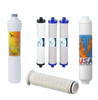
The key is choosing the right system based on your water test results. You can explore options through IsoPure Water’s full selection of filtration systems here:
https://www.isopurewater.com/collections/all
If you want to better understand what might already be in your water, this guide is also helpful:
https://www.isopurewater.com/blogs/news/tap-water-whats-in-it-how-filters-can-help
Final Thoughts
That rotten egg smell is frustrating, but it is usually very treatable. Once you identify the cause, the right filtration system can completely eliminate the odor and improve your water quality.
If you’re dealing with ongoing issues, testing your water is always the best first step. From there, you can choose a solution that actually fixes the problem instead of masking it.