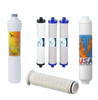
Tap Water: What's In It & How filters Can Help

Tap water can meet federal standards and still contain trace contaminants from source water, treatment, or aging pipes. If you’re wondering what’s in tap water, it may include disinfectants (like chlorine), heavy metals (like lead), nitrates, PFAS, and hard-water minerals–some of which can affect taste, skin comfort, and long-term exposure risk. A properly matched filtration (and softening, when needed) helps reduce those contaminants and improves daily water quality.
What’s in Tap Water? Common Contaminants Explained
Disinfectants (chlorine/chloramine)
Municipal systems add disinfectants to reduce harmful microbes, but they can:
-
Leave a chlorine taste or odor
-
Contribute to dry skin and hair
-
Form disinfection byproducts (DBPs) when reacting with organic matter
Heavy metals (lead, copper, mercury)
Even treated water can pick up metals after it leaves the treatment plant.
-
Lead is most commonly tied to older plumbing and corrosion.
-
Copper may cause a metallic taste and, at higher levels, stomach upset.
Nitrates
Nitrates can rise due to fertilizers, septic systems, or agricultural runoff. They’re a bigger concern for infants and pregnant people.
PFAS (“forever chemicals”)
PFAS persist in the environment and may be present without any noticeable taste or odor.
Hard-water minerals (calcium & magnesium)
Hard water is typically safe to drink, but it can:
-
Cause scale buildup in plumbing and appliances
-
Reduce soap lathering and increase residue
-
Leave skin feeling dry or tight after bathing
How Tap Water Can Affect Health and Skin
Potential health impacts (depending on what’s present and at what level)
-
Digestive upset when certain contaminants are elevated
-
Long-term exposure concerns with lead or PFAS
-
Higher sensitivity for infants, pregnant people, and immunocompromised individuals
Skin and hair irritation (especially with hard water and disinfectants)
Water quality can matter for people prone to dryness or irritation. Hard water may contribute to:
-
Itchiness and dryness
-
Dull, brittle hair
-
Flare-ups for sensitive-skin conditions like eczema and psoriasis
Is Drinking Tap Water Safe?
For many households, municipal tap water is generally safe. However:
-
Treatment happens before water travels through mains and home plumbing.
-
Older pipes and fixtures may introduce contaminants afterward.
-
Private well owners are responsible for testing and treatment decisions.
If concerns exist, testing is the most direct way to confirm what’s in tap water for a specific home.
Water Filter Options That Can Help
Under-sink filtration (targeted drinking/cooking improvement)
-
Improves taste and odor
-
Helps reduce select contaminants depending on the filter media
Reverse osmosis (RO) (broad reduction for many dissolved impurities)
Often chosen to reduce a wide range of contaminants (capabilities vary by model and certification), such as:
-
Lead
-
Nitrates
-
PFAS
-
Fluoride and arsenic (in some configurations)
Whole-house filtration (coverage at every tap)
-
Supports better water for bathing, laundry, and appliances
-
Helpful for odor/taste issues throughout the home
Water softeners (hard water solutions)
Softeners reduce calcium and magnesium that cause scale and residue, helping with:
-
Plumbing and fixture protection
-
Soap performance
-
Softer-feeling skin and hair for many households
Hard water can also shorten appliance life through scale buildup–see soft water vs. hard water appliance lifespan.
Frequently Asked Questions
How can households find out what’s in their tap water?
Municipal users can review annual water reports and consider independent testing for plumbing-related issues. Well owners should test routinely.
Is bottled water a better solution than filtration?
Bottled water may help for drinking, but it doesn’t address showering, cooking, or appliance exposure–and it creates ongoing cost and plastic waste.
What’s a practical first step to improve water quality?
Identify the top concern (taste/odor, metals, PFAS, hard water), then match a solution (under-sink, RO, whole-house filtration, and/or softening).
Improve What’s in Tap Water at Home
Understanding what’s in tap water helps households make confident decisions about health, skin comfort, and protecting plumbing and appliances. With the right filtration and softening setup, many common concerns–like chlorine taste, trace contaminants, and hard-water effects–can be meaningfully reduced.
Isopure Water offers water filtration and softening solutions and can help match a system to water source, household size, and goals.