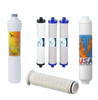
The CSM RE1812 thin film composite membrane delivers residential-grade reverse osmosis filtration with up to 99% contaminant rejection in a standard 1.8" x 12" housing. Built by Toray for dependable performance, this membrane fits most conventional home RO systems and removes dissolved solids, heavy metals, and microorganisms from your tap water.
SPECIFICATIONS
CSM RE1812 Membrane Technical Details
| Model Number | CSM RE1812 |
| Membrane Type | Thin Film Composite (TFC) |
| Dimensions | 1.8" diameter x 12" length |
| Daily Production | 50 GPD (gallons per day) |
| Salt Rejection Rate | Up to 99% (500 mg/L NaCl @ 60 psi) |
| Operating Pressure | 60 psi net pressure (4.1 bar) |
| Optimal Temperature | 77°F (25°C) |
| Replacement Interval | 24-36 months depending on water quality |
INSTALLATION & USE
Replacing Your RO Membrane
- Shut off water supply to the RO system and depressurize by opening the faucet until water stops flowing
- Unscrew the membrane housing cap, remove the old membrane, and inspect the housing for sediment or fouling
- Insert the new CSM RE1812 membrane into the housing with the rubber gasket end first, ensuring it seats fully
- Reinstall the housing cap hand-tight, turn water supply back on, and flush the system for 30 minutes before use
- Check for leaks at all connections and verify that your drain flow restrictor matches the membrane's 50 GPD rating
COMPATIBILITY
System Fitment
The CSM RE1812 membrane fits any residential reverse osmosis system using a standard 1812 housing, including systems from APEC, iSpring, Home Master, Watts, and other manufacturers. If you're upgrading from a different capacity membrane (18 GPD, 75 GPD, 100 GPD), you'll need to match your drain flow restrictor to the 50 GPD rating to prevent premature fouling. This membrane handles municipal water and well water applications when paired with appropriate sediment and carbon pre-filtration.
🔧 Pro tip: Individual membrane flux can vary by 15% from rated specs. If your production rate drops below expected output after a year, check your pre-filters first—a clogged sediment or carbon filter will choke flow to the membrane and make it seem like the RO element is failing when it's actually fine.