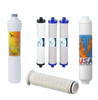

The Oakton WD-35801-21 ORP electrode delivers reliable oxidation-reduction potential measurement in inline and submersible applications where continuous monitoring is essential. Built for industrial water treatment, aquaculture, and process control environments, this probe provides accurate millivolt readings in demanding conditions.
SPECIFICATIONS
Technical Details
| Model Number | WD-35801-21 |
| Probe Type | ORP (Oxidation-Reduction Potential) |
| Configuration | Inline and submersible compatible |
| Reference Type | Silver/silver chloride gel-filled |
| Body Material | Epoxy-sealed housing |
| Connection | BNC connector |
| Temperature Range | 0 to 80°C |
| Manufacturer | Oakton Instruments |
INSTALLATION & USE
Setup and Operation
- Remove protective cap and inspect platinum sensing surface for cleanliness or damage before installation
- Install electrode into inline flow chamber or mount for submersible use, ensuring sensing tip remains submerged during operation
- Connect BNC cable to compatible Oakton ORP meter or controller and allow 15-20 minutes for electrode equilibration
- Calibrate using fresh Zobell's solution (220 mV at 25°C) or alternative ORP standard per meter instructions
- Monitor readings and clean platinum surface periodically with mild abrasive or dilute acid to maintain response time
COMPATIBILITY
System Integration
The Oakton WD-35801-21 electrode works with any ORP meter or controller equipped with a standard BNC input. Commonly paired with Oakton handheld meters, benchtop controllers, and inline monitoring systems for water treatment applications including chlorine monitoring, ozone treatment verification, and industrial process control. The dual-use design allows the same electrode to function in both flow-through installations and direct immersion setups without adapter hardware.
🔧 Pro tip: ORP electrodes respond to the overall oxidizing or reducing environment, not specific chemicals. Always correlate ORP readings with known reference conditions for your application, and replace Zobell's calibration solution every 90 days as it degrades with air exposure.